Portrait notes · 4 min read
Photo Tips for Dog and Cat Portraits
A pet's identity lives in small details: an uneven patch of color, an ear that tilts, or a familiar expression. Choose a photograph that makes those details visible.
By the LumaKeeps team
Get down to their eye level
Photograph your companion from roughly the height of their eyes. Looking down from a standing position can make the head appear much larger than the body and hide the shape of the muzzle. A phone held very close can also distort the nose.
Use natural light and give the camera time to focus. Motion blur around the eyes and ears is harder to interpret than a calm, sharp reference—even if the blurry picture is a favorite moment.
For dogs, preserve the muzzle and ears
Choose a photo with a visible nose, clear eyes, and the natural outline of both ears. Avoid a toy covering the muzzle or a crop that removes the top of the head. If your dog has distinctive patches or differently colored eyes, make sure those details can be seen.
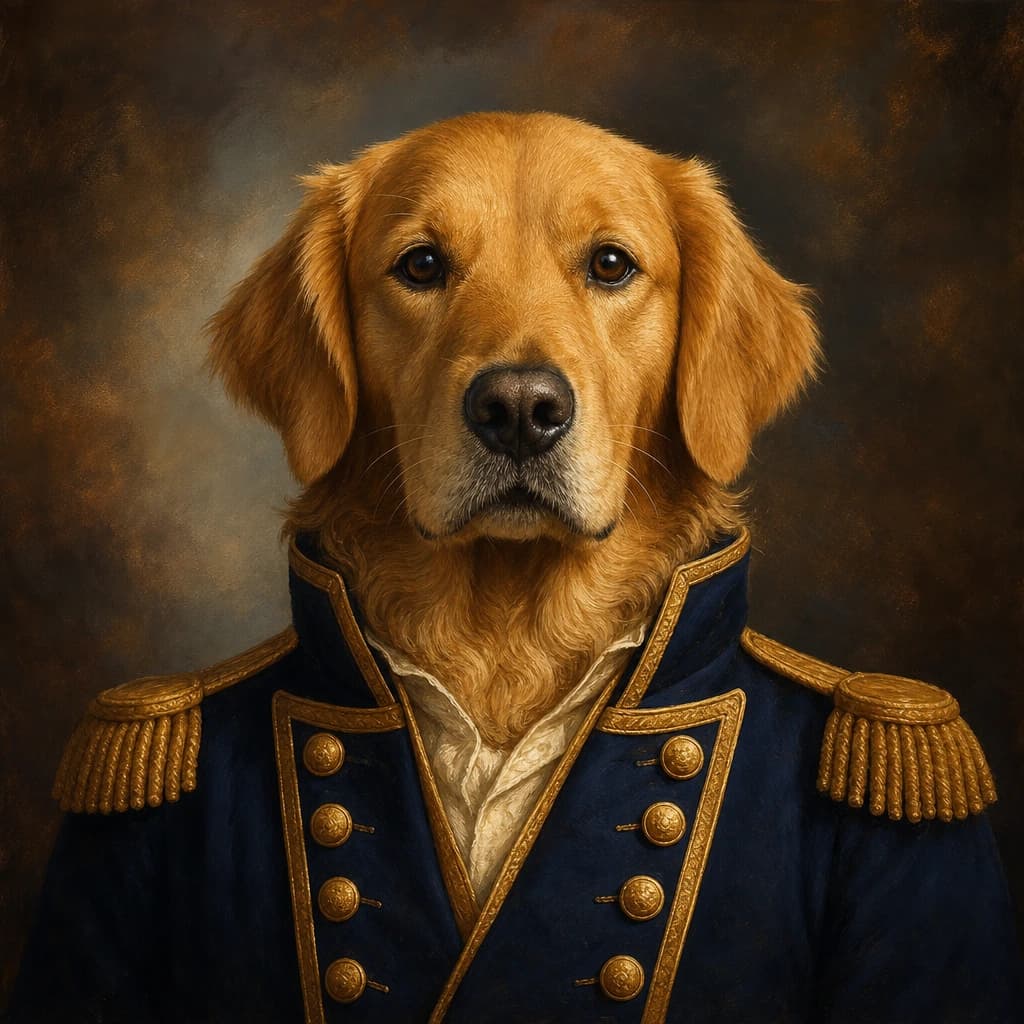
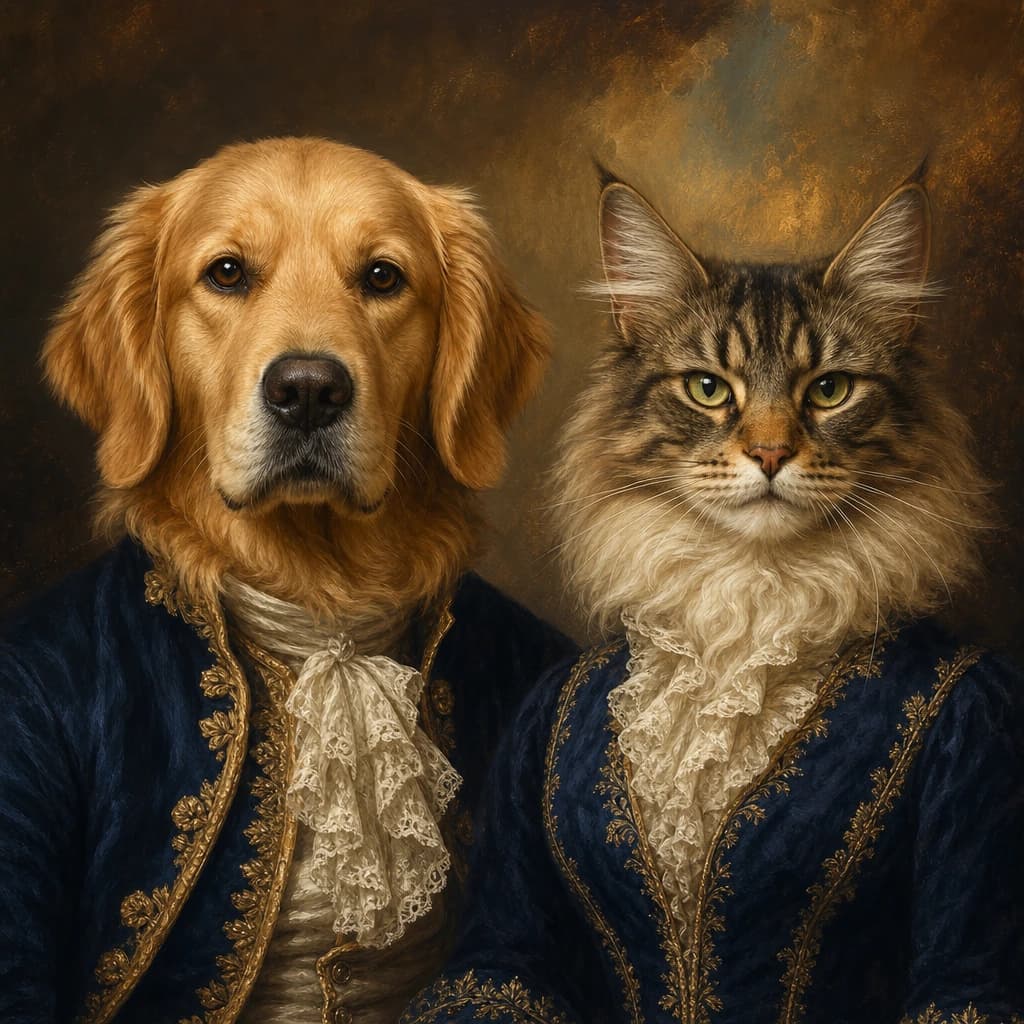
Compare the template's crop before deciding. A chest-up commander portrait emphasizes the face; a paired-pet composition needs enough clarity to distinguish two animals in the same scene.
For cats, check the eyes and coat pattern
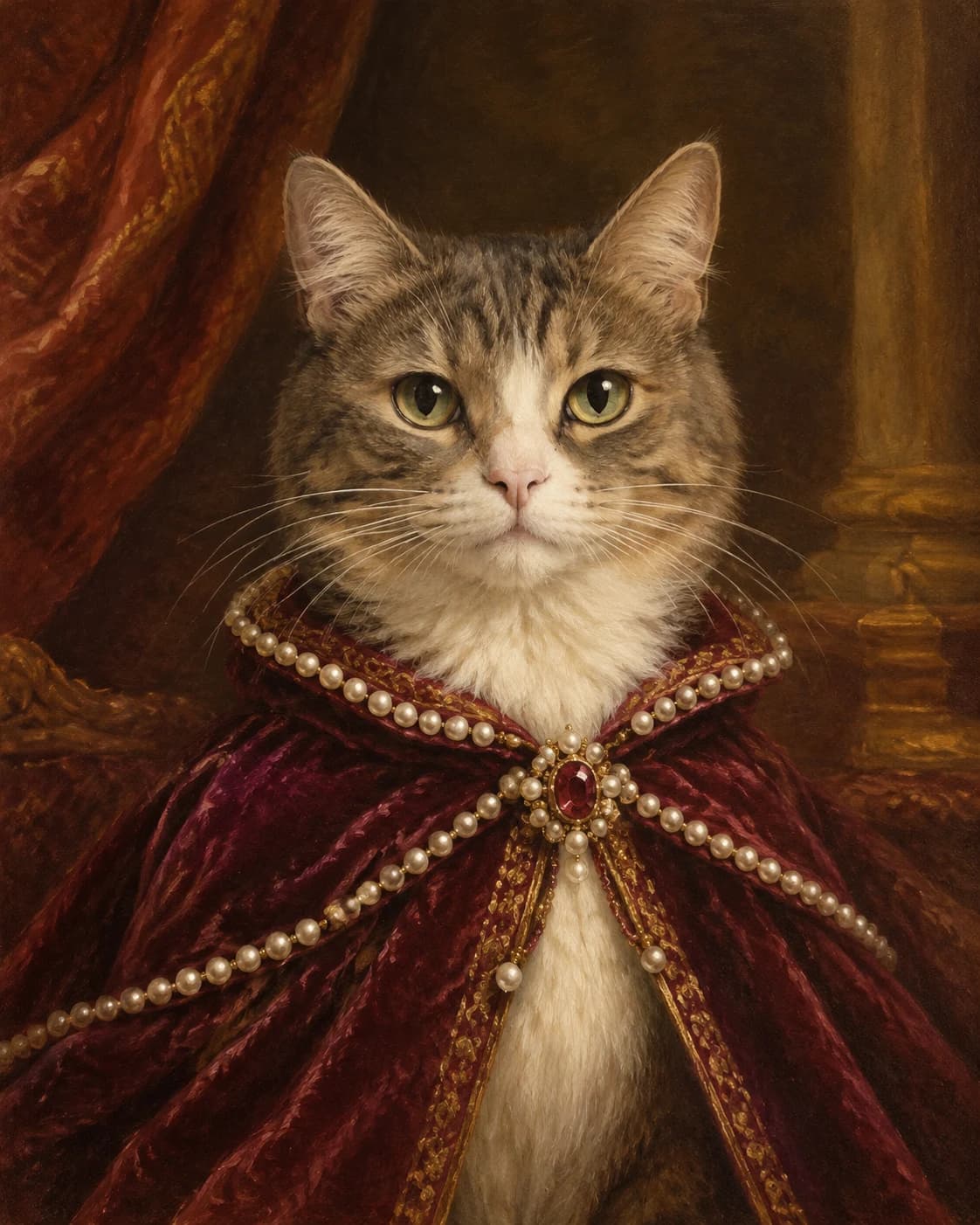
Soft daylight helps preserve eye color without harsh flash reflections. Keep whiskers and ears inside the photo and avoid references where a paw hides much of the face. Tabby stripes, facial patches, and a pale muzzle are worth checking closely.
Dark coats can lose detail in dim rooms. If the fur reads as a single black shape, try a brighter reference rather than expecting the AI to recover markings the photograph does not show.
For multiple pets, keep identities separate
Select a two- or three-pet template that matches your household. Individual references are useful when your companions will not pose together. Check that each animal appears exactly once and retains its own coloring.
Every portrait in the gallery is a style reference, not evidence that your pet's specific likeness is already known. Judge the generated preview before ordering a canvas.